Good YouTube SEO begins with a clear promise. Use the main topic naturally in the title, explain the video early in the description, and make sure the thumbnail supports the same idea.
A practical way to improve a YouTube title, description, tags and viewing experience without stuffing the same keyword everywhere before publishing. This guide explains a practical workflow, the limits to keep in mind and the checks worth making before you use the result.
Write for the viewer first
A title should tell a real person what the video delivers. Put the important phrase near the beginning when it reads naturally, then remove words that do not help the promise.
Do not write a title only to satisfy a scoring tool. A perfect mechanical score cannot rescue a vague topic, a weak video or a promise that the content does not keep.
Make the first lines useful
The opening description appears in several YouTube surfaces. Use it to summarize the outcome and add a helpful detail. Place links, credits and longer background information below that introduction.
Chapters can make a long video easier to scan. Give each chapter a descriptive label rather than repeating the title. This also helps viewers reach the part they need.
Treat tags as supporting information
Tags can clarify names, spelling variations and closely related phrases. They are not a reason to paste hundreds of broad keywords. A smaller, accurate list is easier to maintain.
Hashtags should also stay focused. Choose a few that match the actual subject. Unrelated trending terms may attract the wrong visitor and create a poor viewing experience.
Check the complete package
Read the title beside the thumbnail. Together they should communicate one idea without copying the same words. Then watch the opening seconds and confirm that the video delivers that idea quickly.
After publishing, review click behaviour and watch time in your own Studio data. Improve future videos from that evidence instead of changing a title repeatedly without a clear reason.
Practical checklist
- Keep the main promise easy to understand.
- Use natural related terms instead of keyword repetition.
- Add accurate chapters to longer videos.
- Review private Studio data after publishing.
Put this guide into practice
Open the matching FindOnlinePK collection and choose the tool that fits your task.
Frequently asked questions
Do YouTube tags guarantee ranking?
No. Tags provide context, but relevance, viewer response and the quality of the video matter more.
Should every keyword appear in the title?
No. Use the main phrase naturally and cover related ideas in the description where useful.
Can I update SEO after publishing?
Yes, but make changes for a clear reason and allow enough time to judge the result.
Related tool guides

How to Create a Strong Unique Password
Build stronger account protection with unique passwords, sensible length, secure storage and a trusted password manager for safer daily use.
Read guide →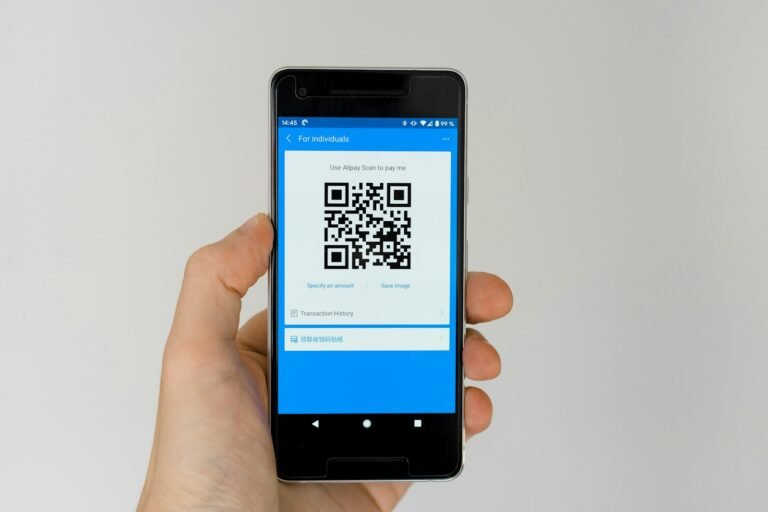
How to Create and Use QR Codes Safely
Create a useful QR code, test it on more than one device and help people understand where it will take them before they decide to scan safely.
Read guide →
How to Merge PDF Files in the Right Order
Combine PDF documents cleanly, arrange them in the correct order and protect private material. Follow a simple review before sharing the final file.
Read guide →
How to Choose the Best Image Format for Web
Pick a practical image format for photographs, screenshots, transparent graphics and website artwork by comparing quality and compatibility.
Read guide →
Compress Images Without Visible Quality Loss
Reduce image size for a faster website while keeping text, faces and important details clear. Follow a careful resizing and quality checking workflow.
Read guide →
How to Calculate Facebook Engagement Rate
Calculate a useful Facebook engagement rate, choose the right formula and avoid misleading comparisons between different pages and post types.
Read guide →