Add the interactions included in your report, divide by the chosen audience or reach figure, then multiply by 100. Always state which interactions and denominator you used.
Calculate a useful Facebook engagement rate, choose the right formula and avoid misleading comparisons between different pages and post types. This guide explains a practical workflow, the limits to keep in mind and the checks worth making before you use the result.
Choose one formula first
Engagement rate can be calculated against followers, reach or impressions. Each answers a different question, so two reports may both be correct while showing different percentages.
Follower based calculations are simple for public comparisons. Reach based calculations are often more useful for a page owner reviewing how people responded to content they actually saw.
Define what counts as engagement
Reactions, comments and shares are commonly included. Some internal reports also include link clicks or saves. Write down the definition before collecting figures.
Do not change the definition between months without noting it. A new formula can create an apparent improvement even when audience behaviour did not change.
Compare similar posts
Video, link, photo and text posts can receive different kinds of response. Compare the same format and goal where possible. Paid reach should also be separated from ordinary distribution.
Use several posts rather than choosing one unusually strong or weak example. A median can provide a calmer view when a viral result distorts the average.
Connect the percentage to the goal
A high interaction rate is not always the final outcome. A support post may need useful replies, while a sales post may be judged by qualified visits or completed purchases.
Use the calculator to keep the arithmetic consistent, then explain what the result means for that particular campaign.
Practical checklist
- State the formula beside the result.
- Keep paid and ordinary reach separate.
- Compare the same post formats.
- Use business outcomes with engagement.
Put this guide into practice
Open the matching FindOnlinePK collection and choose the tool that fits your task.
Frequently asked questions
Which Facebook engagement formula is best?
Use reach when you have reliable private data. Followers can be useful for broad public comparisons.
Should link clicks count?
They can, but the report must clearly say that clicks are included.
Can I compare two pages directly?
Yes, if the time period, post types and formula are the same.
Related tool guides

How to Create a Strong Unique Password
Build stronger account protection with unique passwords, sensible length, secure storage and a trusted password manager for safer daily use.
Read guide →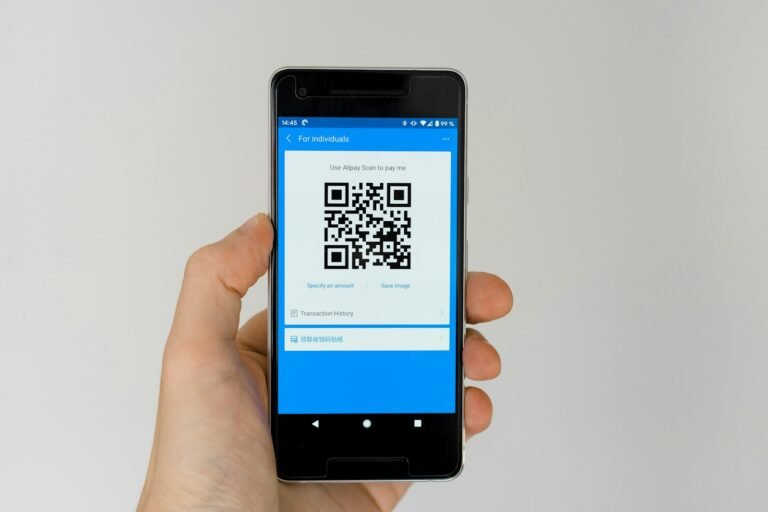
How to Create and Use QR Codes Safely
Create a useful QR code, test it on more than one device and help people understand where it will take them before they decide to scan safely.
Read guide →
How to Merge PDF Files in the Right Order
Combine PDF documents cleanly, arrange them in the correct order and protect private material. Follow a simple review before sharing the final file.
Read guide →
How to Choose the Best Image Format for Web
Pick a practical image format for photographs, screenshots, transparent graphics and website artwork by comparing quality and compatibility.
Read guide →
Compress Images Without Visible Quality Loss
Reduce image size for a faster website while keeping text, faces and important details clear. Follow a careful resizing and quality checking workflow.
Read guide →
How to Plan a TikTok Content Calendar
Turn a broad TikTok idea into repeatable content themes and a schedule your team can maintain, with a simple workflow for planning and review each week.
Read guide →